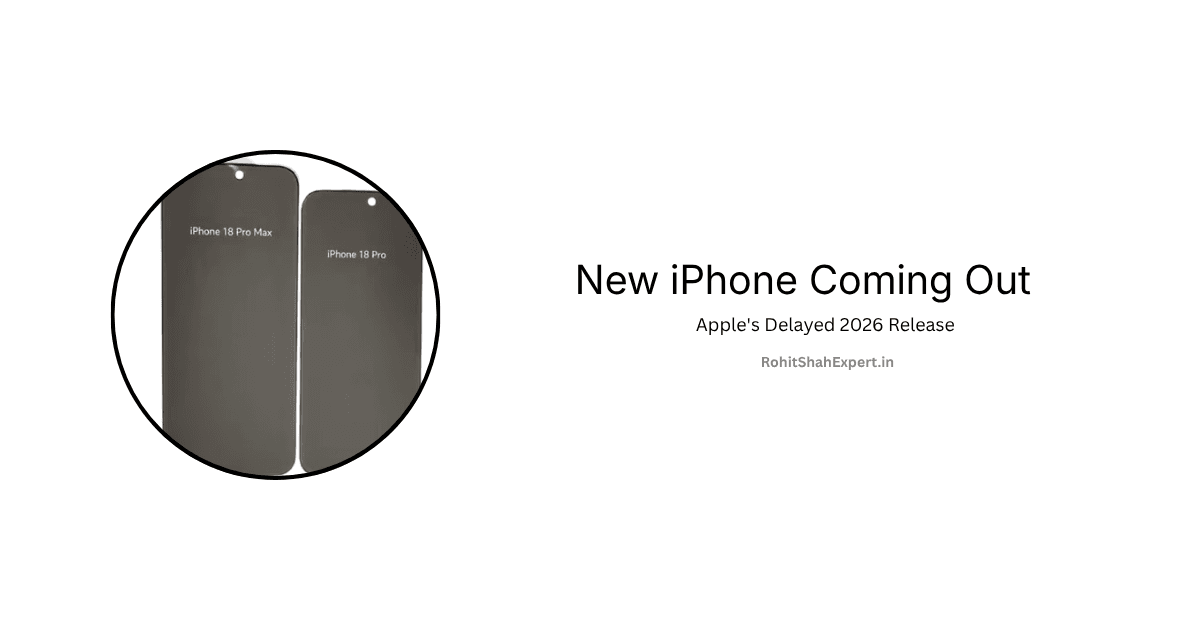
Recent component leaks, factory dummy units, and supply chain reports have provided a comprehensive look at the upcoming iPhone 18 Pro series.
Expected to debut in September 2026, the iPhone 18 Pro and iPhone 18 Pro Max are set to bring sweeping hardware updates, refined aesthetics, and a completely new color strategy.
1. The Design: Monochromatic Frames & Shrinking Dynamics
The core visual profile of the Pro series will feel familiar but look significantly cleaner.
- The Aluminum Frame Evolution: Leaks from manufacturing lines (including recent metal chassis photos) confirm that Apple is sticking with its anodized aluminum frame structure. However, a new back-glass fusing process eliminates the old “two-tone” appearance. The rear matte glass and metal frame are calibrated to match perfectly, creating a highly unified, single-block look.
- Under-Display Face ID Components: Schematic leaks show that Apple has successfully relocated specific Face ID proximity sensors beneath the active pixels of the screen. This allows the physical, visible cutout of the Dynamic Island to shrink by roughly 35%, drastically opening up top-bar screen real estate.
- Thicker Pro Max Profiles: Dummy models show that the iPhone 18 Pro Max will be slightly thicker (8.75mm) and cross the 240g weight threshold, making it the heaviest iPhone to date. This added bulk accommodates an upgraded camera rig and a massive physical battery cell.
2. The Colorways: Spotlighting “Dark Cherry.”
The color narrative for the 2026 Pro series is highly defined. Leaked component molds and prototype renders point to four primary finishes, anchored by a new signature tone:
- Dark Cherry (Pantone 6076): The headline shade replacing previous-generation oranges and deep purples. It is a rich, wine-like burgundy red with deep purple undertones that shifts under direct light.
- Light Blue / Cloudy Blue (Pantone 2121): A soft, frosted ice-blue matte finish.
- Dark Gray / Black: A deep, classic slate-metal finish that replaces standard space grays.
- Silver: A bright, classic metallic finish with a perfectly color-matched white rear glass.
3. The Camera Rig: DSLR-Style Variable Aperture
The camera module is seeing its most significant mechanical update since the introduction of sensor-shift stabilization.
- Mechanical Variable Aperture: The primary 48MP Fusion camera sensor will feature a physically moving iris. Instead of using digital software tricks for portrait depth, the lens will physically open to F1.8 for native low-light exposure and natural bokeh, or close down for razor-sharp wide-angle landscape detailing.
- Stacked Samsung Sensors: The telephoto lens will employ a new three-layer stacked image sensor architecture developed by Samsung. This hardware minimizes color noise and enhances digital and optical dynamic range on long-distance zoom shots.
- Bulkier Camera Plateaus: Due to these moving physical blades and larger sensors, the camera bump on the Pro Max is increasing from 11.23mm to a noticeable 11.54mm thickness.
4. Internal Hardware & Giant Battery Upgrades
Under the hood, the iPhone 18 Pro series transitions to a true next-generation computing architecture:
- The 2nm A20 Pro Silicon: This is the world’s first commercial mobile processor built on TSMC’s ultra-advanced 2-nanometer process node. It promises a 10–15% leap in raw CPU speed and a staggering 30% reduction in energy consumption.
- Integrated 12GB RAM Standard: To process local Apple Intelligence requests locally, Apple is standardizing 12GB of RAM. The memory is built directly onto the A20 Pro silicon wafer via Wafer-Level Multi-Chip Module (WMCM) packaging, dropping internal data latency to near zero.
- The Custom “C2” 5G Modem: Apple is swapping out Qualcomm chips for its proprietary in-house second-generation 5G modem. The C2 chip promises lower power drain on active cellular networks and introduces direct, expanded satellite internet routing protocols for off-grid map data and messaging.
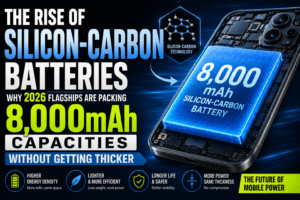
- Battery Capabilities: Thanks to the chunkier chassis, the iPhone 18 Pro Max battery capacity scales up to a massive 5,088 mAh cell (and potentially up to 5,200 mAh depending on regional variants). The smaller iPhone 18 Pro will feature a modest bump to 4,288 mAh for its US eSIM variant.
5. Expected Launch Timeline & Regional India Pricing
- The Split Launch Strategy: Apple is separating its product launches. The high-margin iPhone 18 Pro, Pro Max, and a new premium “iPhone Fold” will launch in September 2026. The baseline, more affordable standard iPhone 18 and 18e models are being delayed until March 2027 to manage 2nm chip supply yields.
- The Pricing Reality: Because the bill of materials (BOM) has climbed by roughly $100 per unit due to the 2nm silicon and mechanical camera components, retail tags will skew higher.
In India, when factoring in local import customs duties on premium component sub-assemblies and GST, the launch matrix is expected to follow this structure:
| Model Tier | Projected Base Price (India) | Key Driving Hardware Shift |
| iPhone 18 Pro (256GB) | ₹1,44,900 | 2nm A20 Pro Chip, 12GB Integrated RAM, Smaller Island |
| iPhone 18 Pro Max (256GB) | ₹1,69,900 | Variable Aperture Module, 5,088 mAh Battery, Thick Frame |
| iPhone 18 Pro Max (1TB/2TB) | ₹2,09,900 to ₹2,29,900 | Maximum storage configurations for high-bitrate ProRes capture |
1. When is the official release date for the iPhone 18 Pro series?
Apple is expected to stick to its traditional tech calendar, hosting a major media keynote in early September 2026 to unveil the iPhone 18 Pro and iPhone 18 Pro Max alongside a rumored “iPhone Fold.” However, supply chain leaks indicate a split launch: while the Pro models will hit shelves by mid-September 2026, the standard baseline iPhone 18 and budget 18e models are being delayed until March 2027 due to 2nm chip supply constraints.
2. What are the leaked color options for the iPhone 18 Pro and Pro Max?
According to leaked CAD drawings and factory dummy units, Apple is refreshing its premium palette with four distinct colors:
Dark Cherry: The highly anticipated “hero” color, featuring a rich, wine-red burgundy shade that shifts dynamically under direct lighting.
Light Blue / Cloud Blue: A subtle, frosted ice-blue matte finish.
Dark Gray / Black: A deeper, truer dark charcoal finish replacing older space grays.
Silver: The timeless, classic bright metallic finish paired with a white rear glass panel.
3. How much will the iPhone 18 Pro Max cost in India?
Because the transition to ultra-advanced 2nm silicon and a physical mechanical camera iris has driven up manufacturing costs by roughly $100 per unit, retail tags will see a noticeable bump. When factoring in India’s basic customs duties on imported component sub-assemblies and GST, the iPhone 18 Pro is projected to start at ₹1,44,900, while the baseline iPhone 18 Pro Max is expected to launch at ₹1,69,900 for the 256GB tier.
4. What is the breakthrough “Variable Aperture” upgrade on the camera?
For the first time on an iPhone, the primary 48MP camera will feature a physical, mechanically adjusting lens iris. Instead of relying purely on digital computation to blur backgrounds, the camera blades can physically open to F1.8 to capture massive amounts of light for native, pristine low-light night photos and authentic background bokeh. Conversely, it will close down for deeper, sharper wide-angle focus during daylight shots.
5. Why is the display’s Dynamic Island shrinking?
Component manufacturing schematics reveal that Apple has successfully engineered a way to hide the Face ID proximity sensor and flood illuminator underneath the active pixels of the display panel. By relocating these sensors beneath the glass surface rather than keeping them inside the screen cutout, Apple has managed to narrow the width of the Dynamic Island by roughly 35%, providing a much cleaner front screen layout.
6. Are there any significant battery upgrades in the 2026 flagship lineup?
Yes. Regulatory filing leaks and schematic measurements show that the iPhone 18 Pro Max will feature a noticeably thicker profile to accommodate a massive hardware upgrade: it will pack a giant 5,088 mAh to 5,200 mAh physical battery cell, making it one of the largest power capacities ever shipped in an iPhone. Paired with the 30% energy efficiency savings from the new 2nm A20 Pro processor, real-world battery longevity is expected to see a major leap forward.